A CENTURY OF CHANGE
Fremantle Arts Centre opened in 1973 with Ian Templeman as founding director. The building, however, predates the arts centre by over a century and carries a history that continues to shape how the space is understood today.

1864
A Gothic Beginning
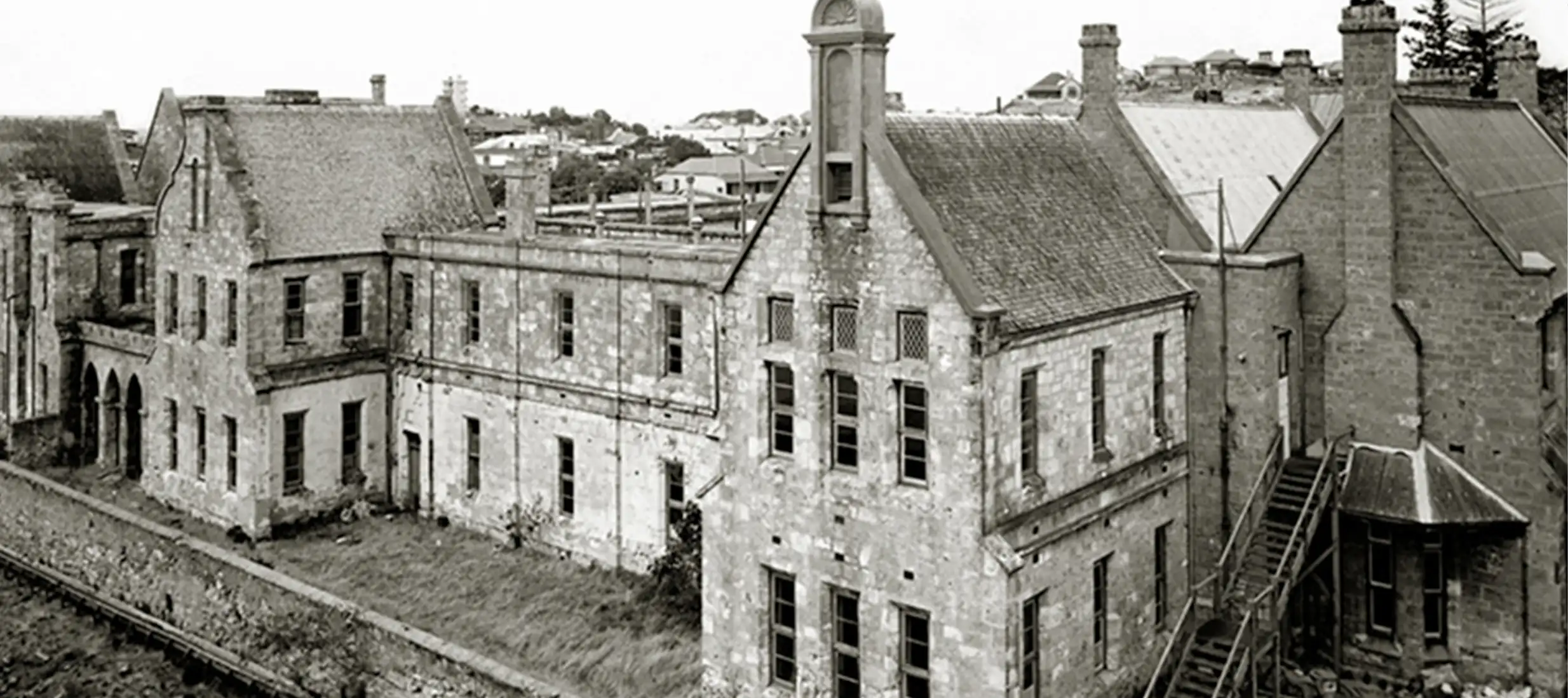
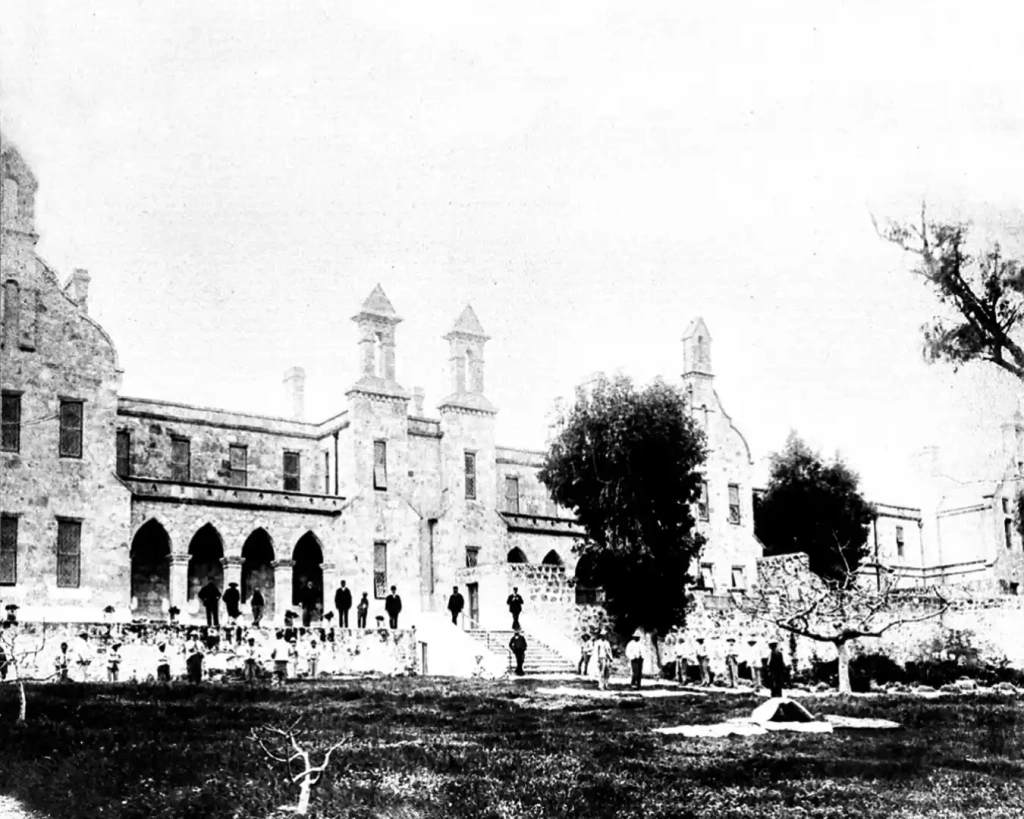
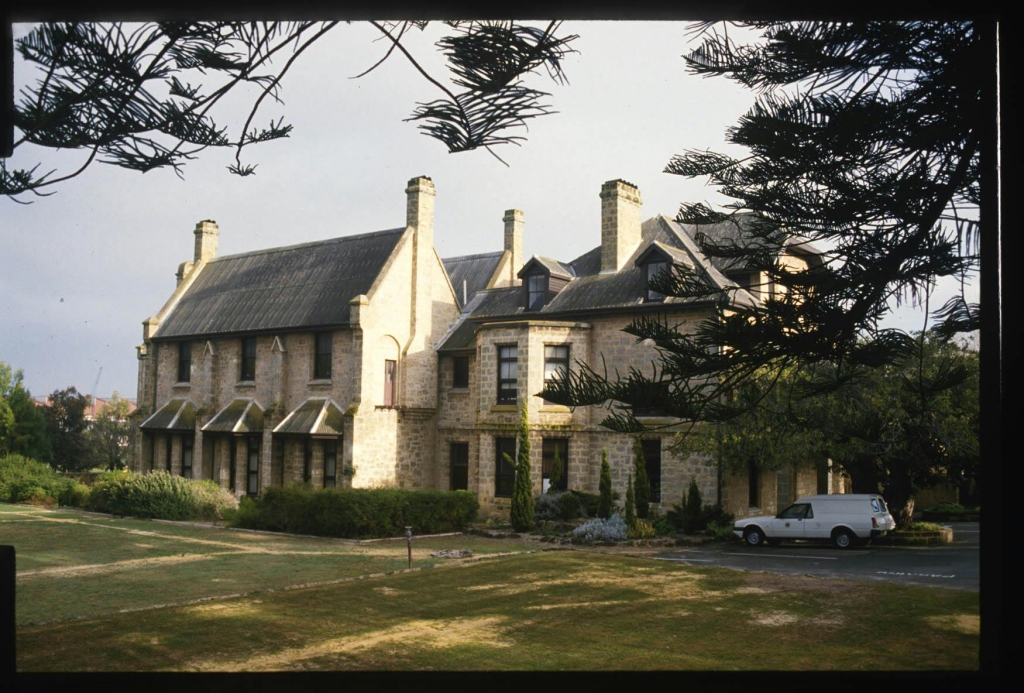
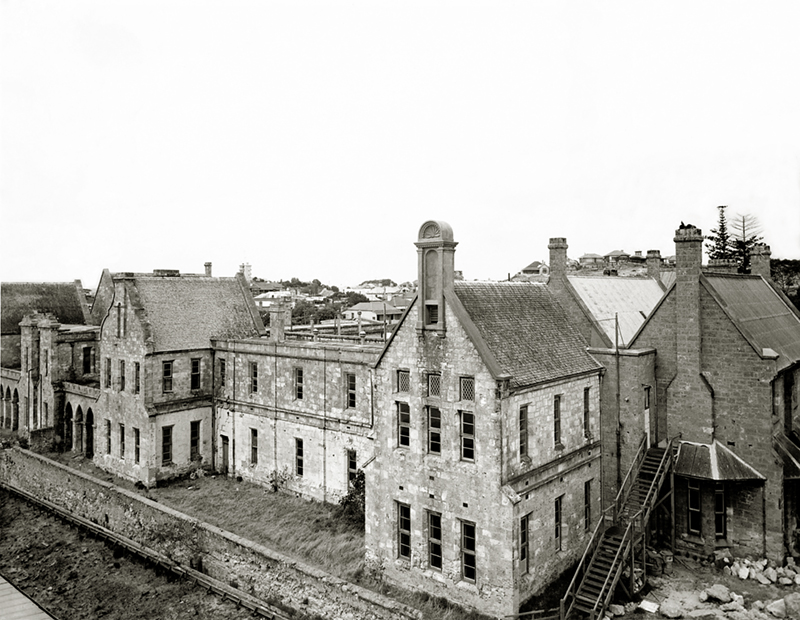
The story begins with a magnificent gothic revival building designed as the Fremantle Lunatic Asylum. Built from local limestone in 1864, the structure was intended to house those society deemed unfit – a place of isolation on the outskirts of the growing port town.
The building’s gothic arches, soaring ceilings, and intricate stonework created an imposing presence. For over a century, these walls witnessed stories of human struggle, medical understanding evolving slowly, and the gradual shift in society’s approach to mental health care.
1890
The Gold Rush
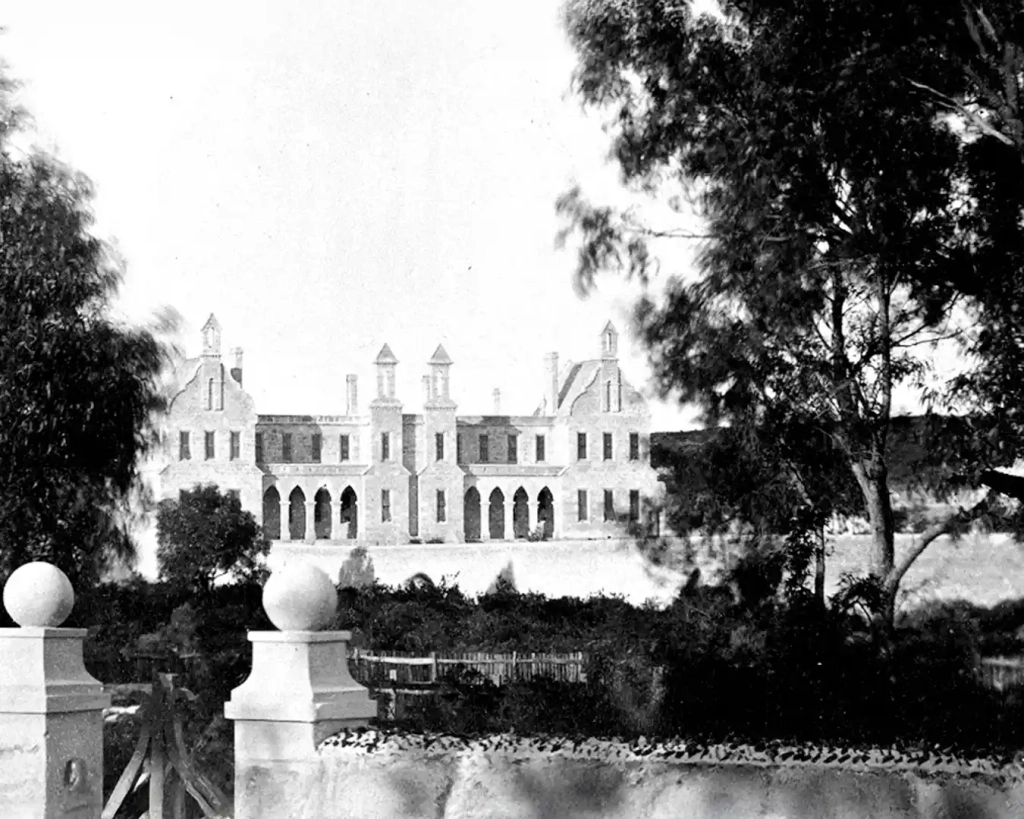
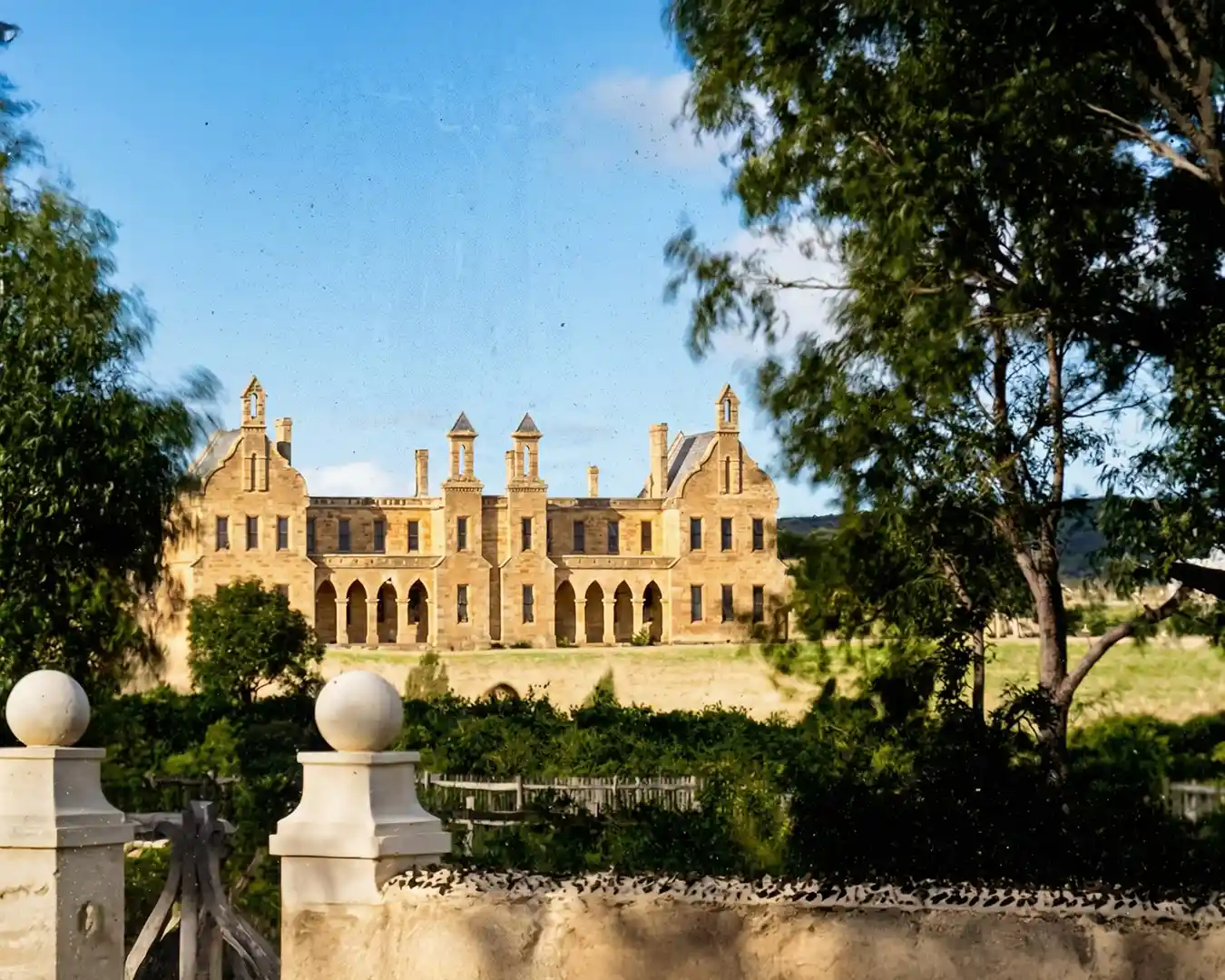
During the gold rush of the 1890s, miners and Chinese labourers were admitted suffering the effects of sunstroke and Opium smoking. The death of a Mrs Clifford in 1900, at the hands of a violent patient, finally sparked a public scandal.
At the time of Mrs Clifford’s death, 219 patients were residents in the asylum, with 17-20 occupying one room. An official inquiry finally resulted in the appointment of a medical superintendent and a trained mental health nurse.
1909
A Home for Women
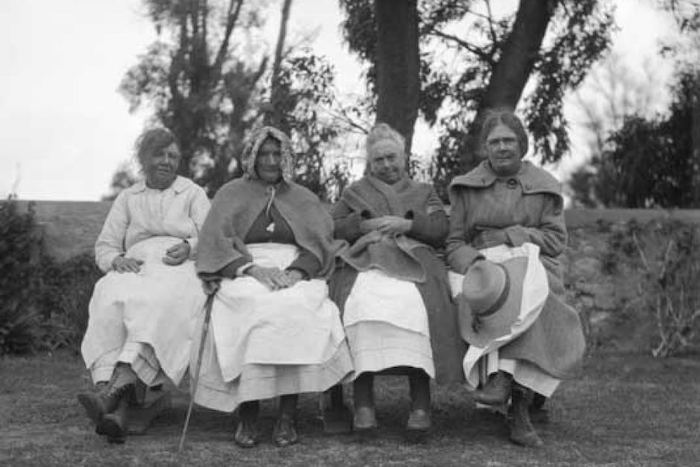
In 1909, Fremantle’s Asylum was repurposed as a Poor House, named the Women’s Home, to address the deteriorating conditions for women. A year later, it became WA’s first maternity training school. Maternity services moved to King Edward Hospital for Women in 1916.
Until 1941, the home housed poor elderly women, with tales of young girls escaping and one woman frequently riding her three-wheeler into town. However, darker accounts exist, such as adolescents with venereal disease being confined in the 1930s. Protests by women’s groups in 1941 led to the home’s closure.

The gothic architecture, originally designed to isolate, would later become the perfect backdrop for bringing people together through creativity and cultural expression.
1942
During WWII
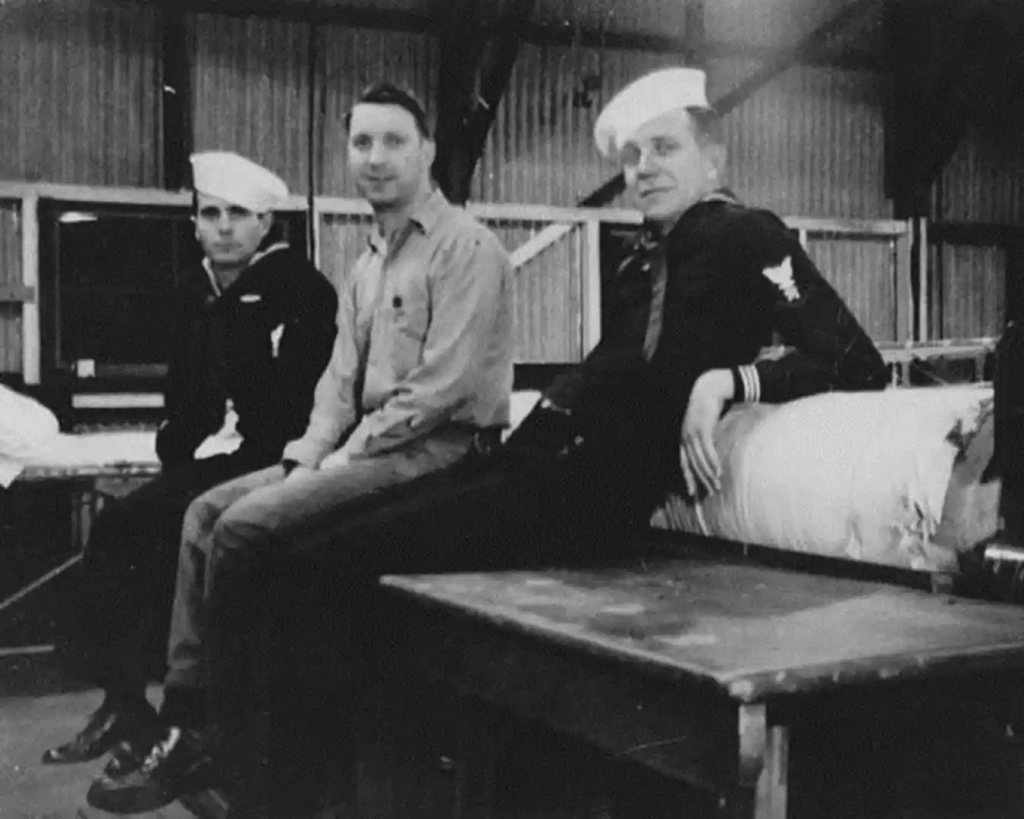
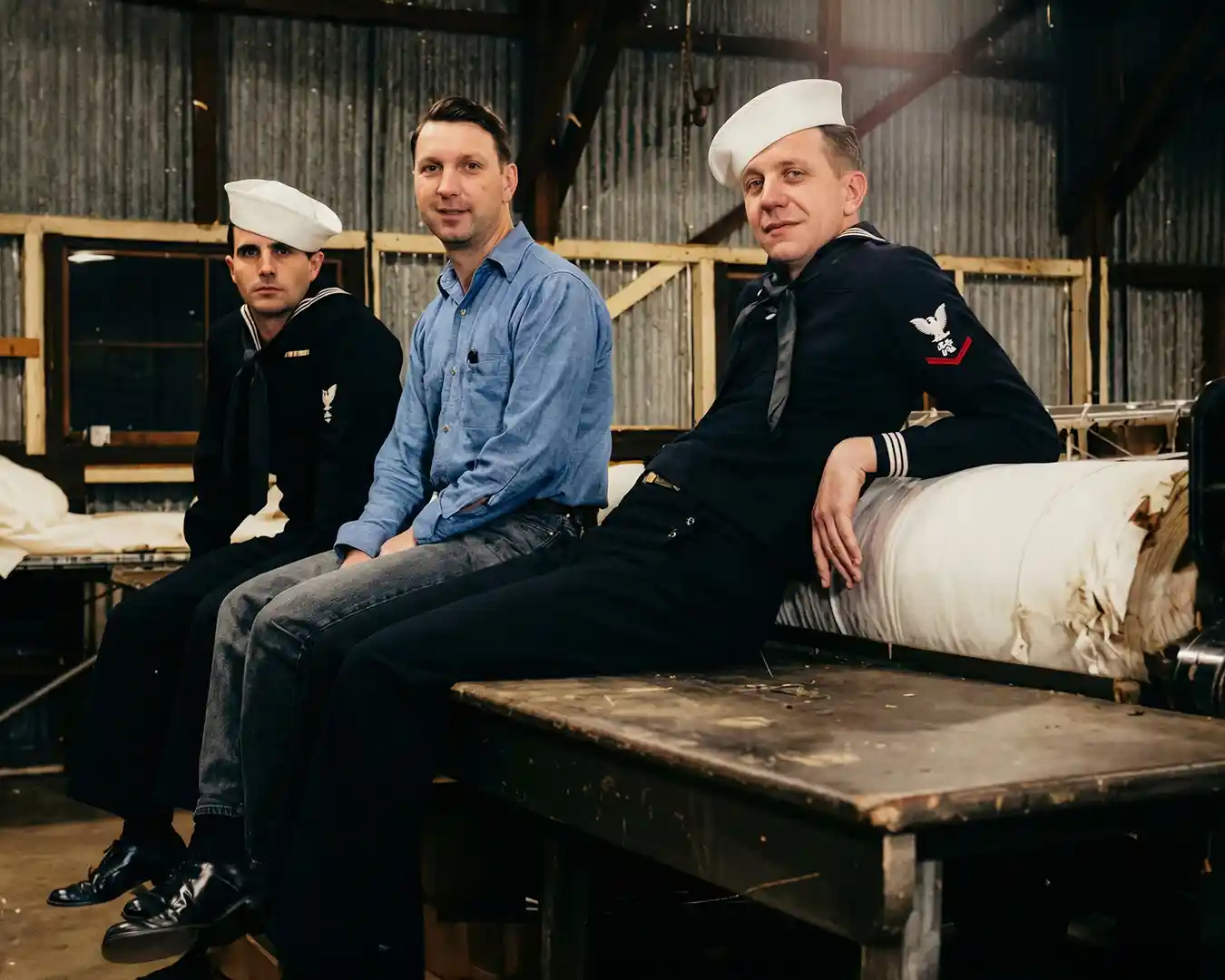
In March 1942 a group of 12 American naval servicemen fleeing the Japanese invasion of the Philippines arrived in Fremantle and were given billets in the old Women’s Home. Within the old asylum site, 22 additional buildings were erected during the course of the war and a total of 21 officers, 139 enlisted men and 102 civilians were employed in the activities of the depot.
1958
Renewal
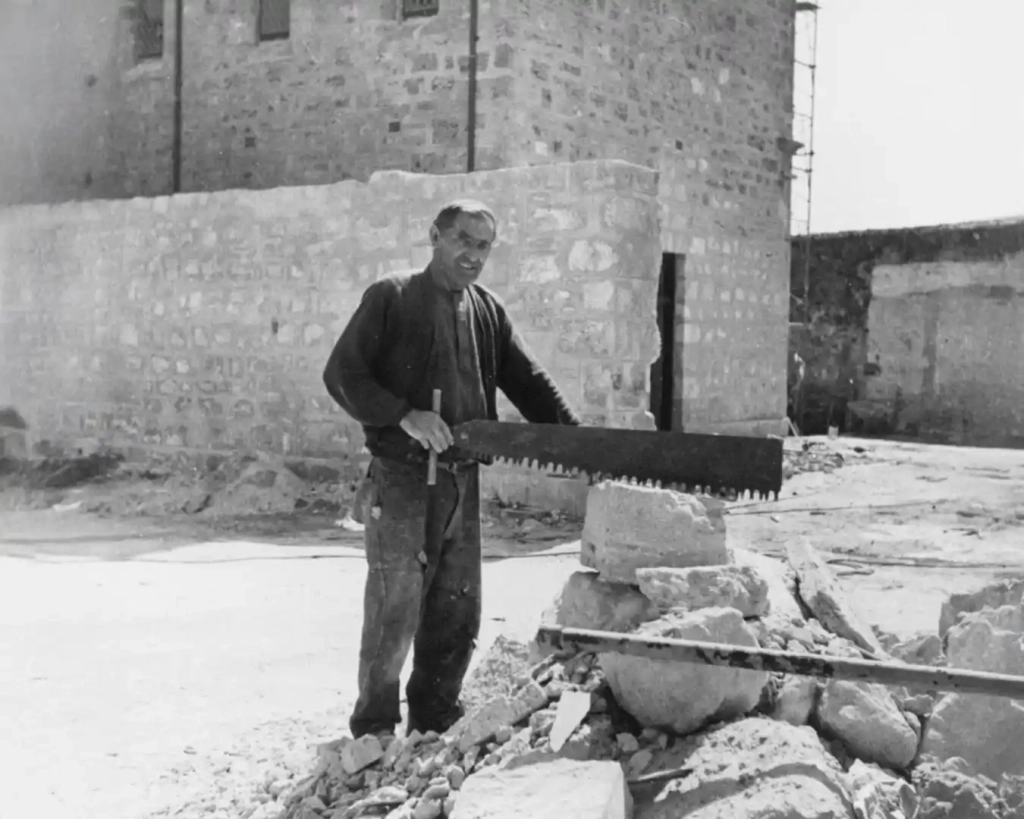
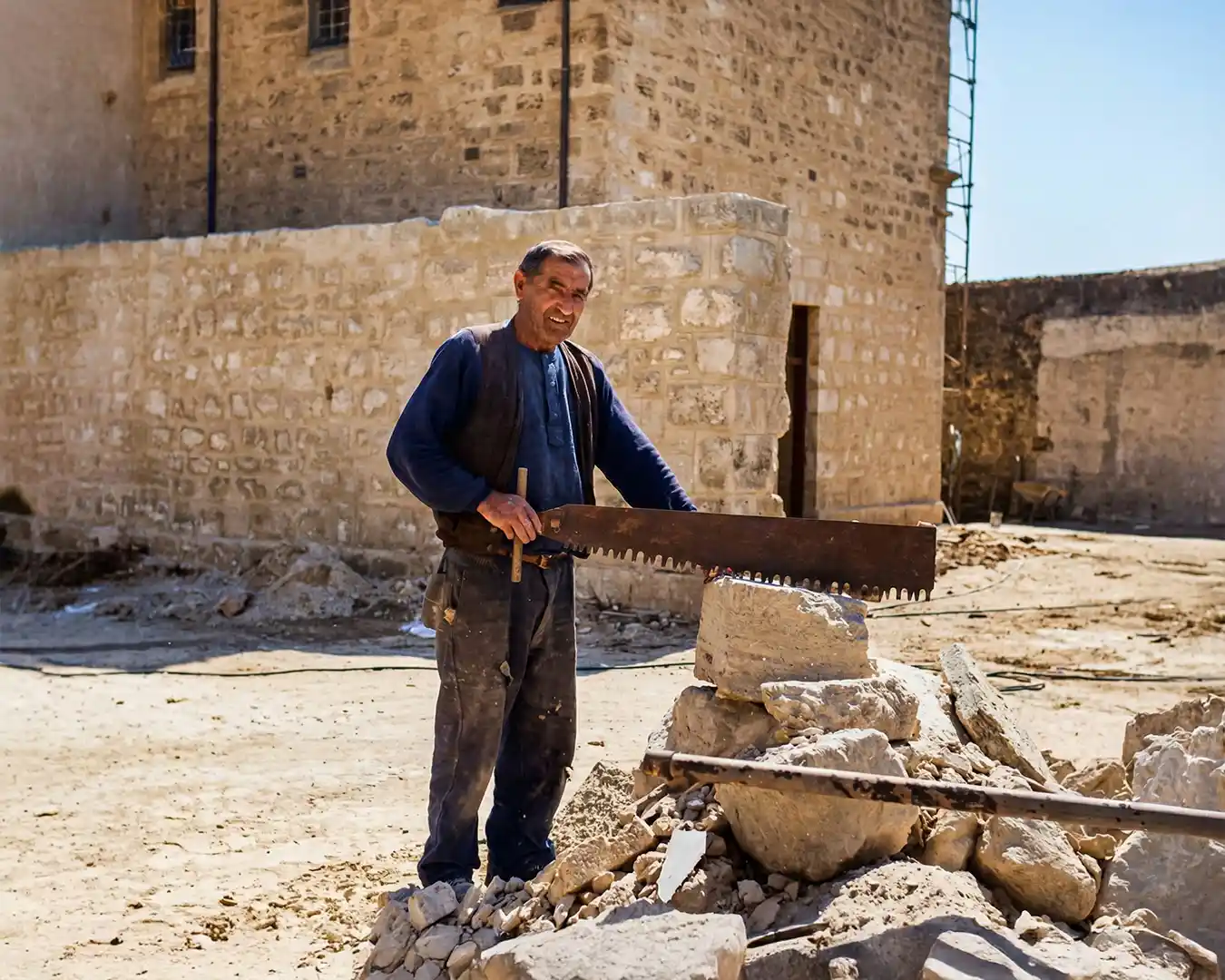
In 1958, the old Fremantle Lunatic Asylum was finally threatened with demolition and was saved largely through the efforts of Sir Frederick Samson, then Mayor of Fremantle. His vision for the site was to establish both a Mariners’ Museum and an Arts Centre. The building was restored and the museum stage was finally completed in 1970.
Milestones
Key moments that shaped WFAC into the cultural institution it is today
-
1973
WFAC Opens
Former asylum building reopens as Western Australia's first purpose-built contemporary arts centre
-
1985
Workshop Programs Launch
Comprehensive creative learning programs establish WFAC as an education leader
-
1998
Sunday Sessions Begin
Free weekly concerts launch, creating a beloved community tradition
-
2010
Heritage Restoration
Renovation enhances accessibility while maintaining historical charm.
-
2015
Found Shop Opens
A modern craft and design shop highlights local artisans (We’ve now renamed it to ‘The Design Store)
-
2025
Digital Transformation
An online platform unifies all WFAC programs for easy discovery.
MID 1980’s
Learning & Making
By the mid-1980s, WFAC had transformed into more than just a gallery. The launch of extensive workshop programs marked a significant change, shifting from merely observing art to actively participating in its creation.
The former asylum’s rooms became ideal for intimate learning spaces. Master craftspeople set up studios for ceramics, printmaking, painting, and textile arts. What began as a few classes evolved into Western Australia’s most comprehensive creative learning program.
We realised that the building wanted to be filled with the sounds of creation - pottery wheels spinning, printing presses rolling, and the conversations of people discovering their creative voices.
1998
Sunday Sessions Begin
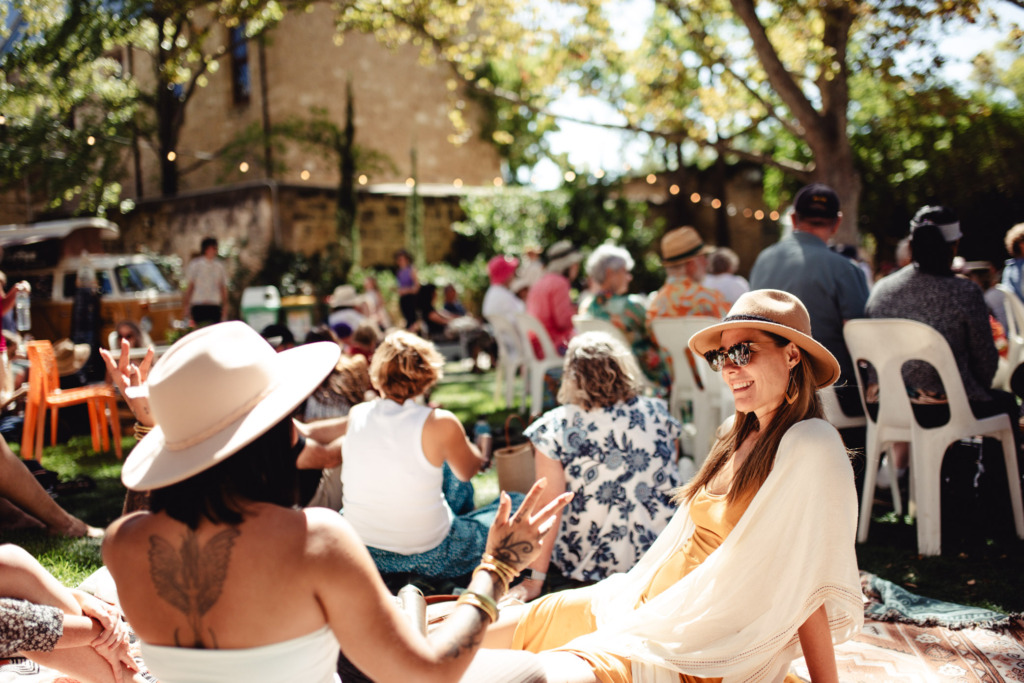
The late 1990s marked a defining moment with the launch of our cherished Sunday Sessions. These free weekly concerts in the heritage gardens established a new tradition that welcomed everyone, regardless of background or means.
These performances turned WFAC from a planned destination into a place you naturally wanted to visit. Families started making Sunday afternoons at WFAC a cherished tradition, creating lasting memories across generations.
2025
WFAC Today
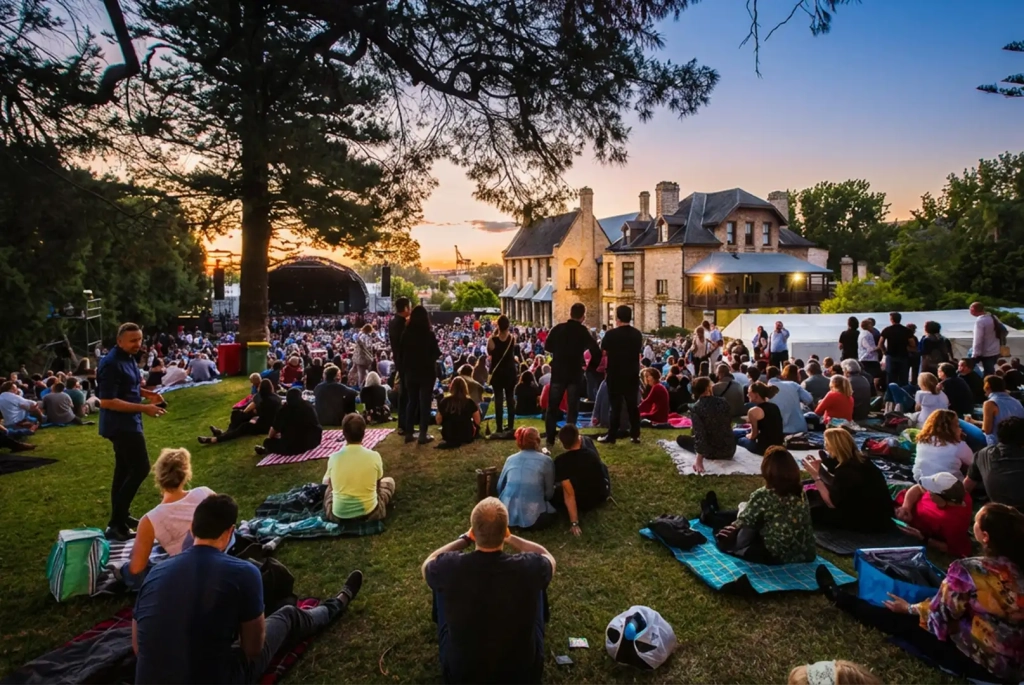
Today, WFAC is a key cultural institution in Western Australia. Our four-acre site in Fremantle attracts over 40,000 visitors each year, offers more than 150 workshops per term, and showcases contemporary exhibitions that inspire and challenge.
The shift from asylum to arts centre symbolizes more than adaptive reuse; it highlights creativity’s ability to heal, connect, and foster community. Every workshop participant, exhibition visitor, and Sunday Session attendee plays a part in this ongoing narrative.
We've evolved from a place that isolated people to one that brings them together - through art, through learning, through the simple but profound act of creating alongside others
A Place for Everyone
The new millennium ushered in expanded accessibility and inclusion initiatives. WFAC committed to making creativity and culture accessible to all, regardless of age, ability, cultural background, or economic status.